
How to set up manufacturing in India is a question global business leaders are asking as India emerges as a top destination for production, innovation, and supply chain diversification. With robust government support, strategic location, and rising demand, it’s no surprise that India market entry is becoming a key focus for companies seeking global scale. Paired with expert market entry consulting and go to market strategy consulting, success in India becomes less about guesswork and more about smart planning.
It all started with one question:
“Should we set up a plant in India?”
Arun, a senior leader at a global electronics company, had just read that India’s manufacturing sector could grow to $7.5 trillion by 2031. With over 1.42 billion people, rising demand, and lower costs than China, the idea seemed promising.
But Arun also knew this: entering India isn’t simple. There are rules, roadblocks, and regional differences that can slow you down. Still, with the right steps and smart planning, the rewards can be big.
Here’s the story of how Arun’s team set up a manufacturing unit in India—what worked, what didn’t, and what you need to know before you do the same.
Step 1: Start with a Clear Plan
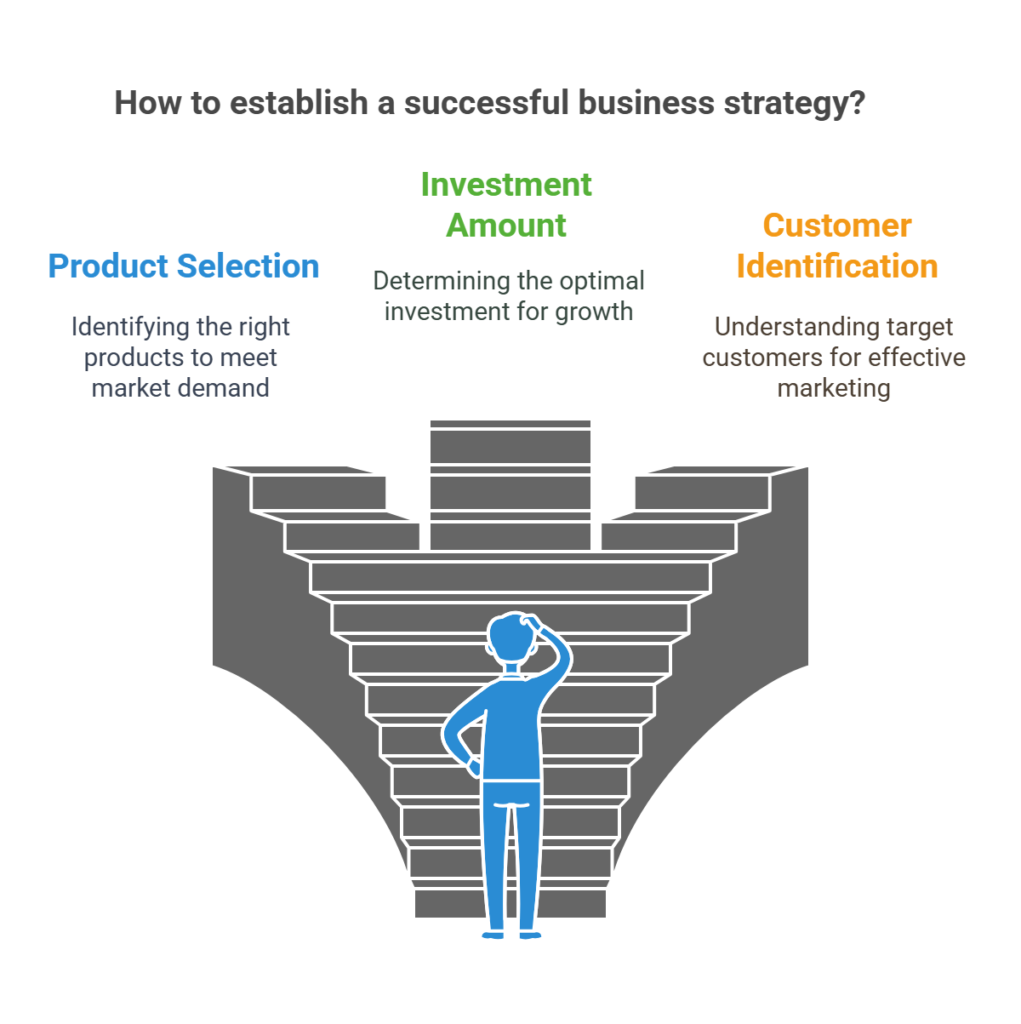
Before doing anything else, Arun’s team built a detailed business and financial plan. They looked at:
- What products to make
- How much to invest
- Who their customers would be
- How to price for India’s market
In India, 62% of buyers wait for discounts. So, pricing had to be competitive.
They also used tools like SWOT and PESTEL analysis to understand the risks and opportunities in the Indian market.
Step 2: Choose the Right Business Setup
The next question: what kind of company should they register?
They considered two options:
- A Wholly Owned Subsidiary (WOS) for full control
- A Joint Venture (JV) with an Indian partner to handle regulations
40% of electronics and auto firms prefer WOS, while 25% choose JVs.
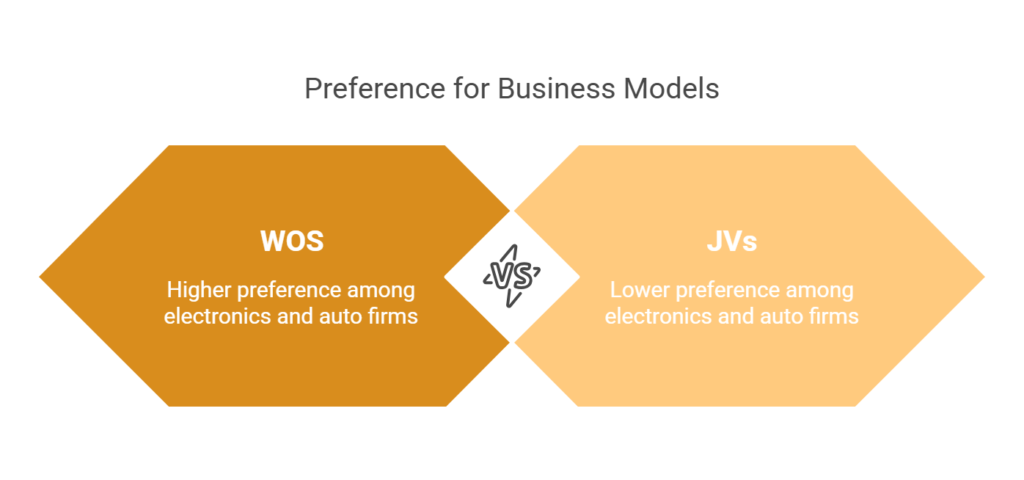
Arun’s team decided to go with WOS to protect their IP and keep control but later added a local partner for distribution. This was a key part of their business setup in India strategy.
Step 3: Handle All Legal Requirements Early
India has a lot of paperwork.
They needed a factory license, pollution control approval, GST registration, import-export code, and more. And each state had its own rules.
40% of companies say India’s tax rules and FDI limits are major challenges.
Business registration in India takes about 18 days—more than double the time it takes in China.
Their solution? Start early and hire a local legal team to avoid delays. Having access to India market entry professionals helped streamline these early-stage processes.
Step 4: Pick the Right Location
They didn’t just pick a city based on trends. They studied:
- Cost of land
- Local talent availability
- Road and electricity access
- State government incentives
In cities like Pune and Chennai, land can cost ₹157.9 lakhs per acre.
So, they chose an area with PLI (Production-Linked Incentive) support and good infrastructure to save money and time.
Step 5: Invest in Modern Machines
India’s factories are growing fast, but only 25% of small manufacturers use automation.
Arun’s team invested in smart machines, energy-saving systems, and AI tools. They also used a government scheme that supports automation for MSMEs—saving money while boosting output. Alongside production, they began evaluating R&D and supply chain analytics.
Step 6: Build the Right Team
Hiring skilled workers wasn’t easy.
35–40% of electronics and industrial companies say they struggle to find trained workers.
So, Arun’s HR team:
- Partnered with local engineering colleges and training centres
- Ran workshops to train global managers on Indian work culture and labour laws
- Took advice from their go to market strategy consulting partner on adopting digital transformation for agility
Step 7: Run a Small Test Before Going Big
Before starting full-scale production, they did a pilot run to:
- Test machines
- Check supply chain timings
- Find and fix weak points
They learned their last-mile logistics needed work. So, they added a multimodal logistics plan and used UPI for fast vendor payments—smoothing operations.
Step 8: Start Full Production — And Stay Compliant
With everything in place, they launched full operations.
They:
- Tracked performance with KPIs
- Used India’s Digital Public Infrastructure (like ONDC and UPI) for online selling and B2B payments
- Expanded into Tier-2 and Tier-3 cities where demand is rising
Why Electronics Companies Are Moving to India
Arun’s team wasn’t alone. Companies like Apple, Samsung, Foxconn, and Pegatron have already invested in Indian manufacturing.
Here’s why:
- Labour costs are 20–30% lower than China
- $17 billion in government incentives through PLI and other schemes
- A massive consumer market, expected to be the world’s largest by 2030
- A young, educated workforce
Common Pitfalls Arun’s Team Avoided (Just in Time)
Even with all the planning, Arun’s team faced a few close calls. Thankfully, they caught these mistakes just in time.
Ignoring Bureaucracy
They underestimated how long approvals would take—assuming registration and licenses would move quickly. But in India, paperwork takes time.
They started early, hired local consultants, and stayed proactive.
Result? They avoided delays and launched on time.
Picking a Location Too Quickly
They almost chose a site that looked perfect—until they found a rule restricting land ownership for foreigners unless one director had an agricultural background.
Their deep due diligence and legal review saved them time and money.
Not Using Bonded Warehouses
At first, they didn’t consider bonded warehouses and assumed duties had to be paid upfront.
Later, they learned bonded warehouses allow duty-free storage—improving cash flow and simplifying inventory.
Overlooking Local Hiring Needs
They tried to apply global HR policies in India—only to find state-specific labour laws, pay standards, and skill gaps.
They partnered with local HR consultants, adapted policies, and built local talent pipelines.
Turning Strategy into Action
India is full of opportunities, but it’s not a market where you can guess your way through.
Arun’s team succeeded because they:
- Planned carefully
- Listened to local experts
- Adapted their strategy to India—not the other way around
Today, their plant runs at 90% capacity, and they’re expanding to other states.
In fact, they’re also exploring a dual approach—expanding physical infrastructure while building global capability centres for innovation and digital transformation.
If you're thinking about how to set up manufacturing in India, remember: success comes with commitment, the right advisors, and on-ground learning.
What worked for Arun’s team might just be the beginning of a wider conversation around entering India the right way.